Research AI Engineering

LERU Digital Education policy group programme meeting

James Hetherington

2026-11-12

European AI-assisted discovery: the role of research engineers

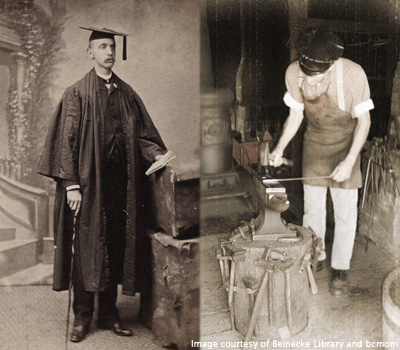
The craftsperson and the scholar

UCL ARC

  • Research Software Engineers
  • Data Scientists
  • Data Stewards
  • Research Infrastructure Engineers
  • Research Managers

What digital research technology platforms do
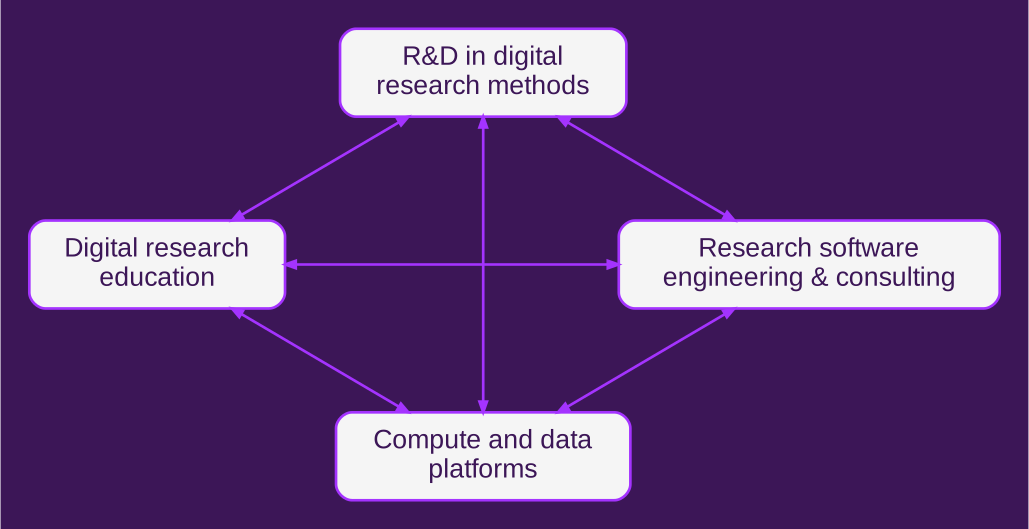
Four activities that feed each other: compute and data platforms; research software engineering and consulting; R&D in digital research methods; digital research education

Europe’s dilemma

Cartoon: an AI train leaves a European university's station; some academics run to board, others hold placards asking about copyright, energy and values Image credit: Generated with ChatGPT image generation, OpenAI (November 2026).

Values alignment is speed
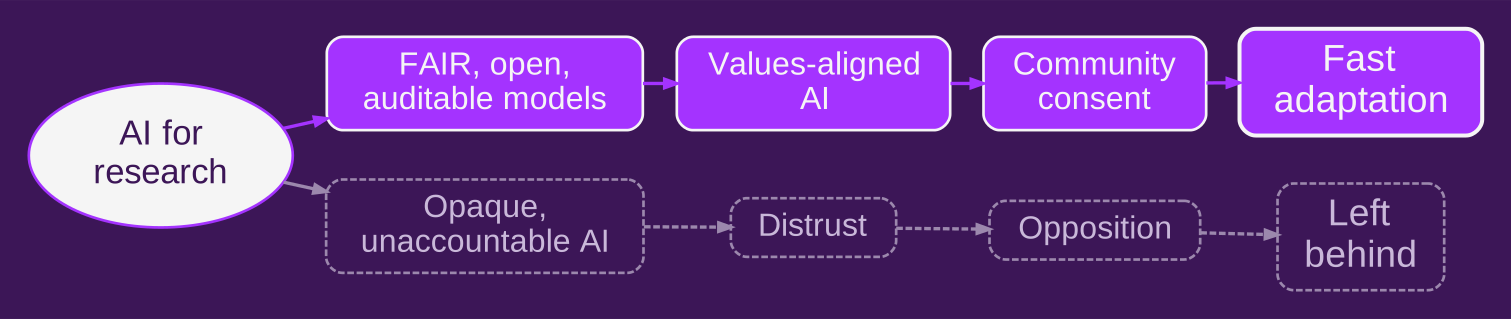
Two roads from AI for research: FAIR, open, auditable models lead to values-aligned AI, community consent and fast adaptation; opaque, unaccountable AI leads to distrust, opposition and being left behind

The openness spectrum

Closed

Weights, data and training private

Open weights

Run it yourself; training data private

Fully open

Apertus EuroLLM Marin

Weights, data, code and recipes all public

More capable today ⟵ ⟶ more inspectable, more sovereign

Fully open, but behind
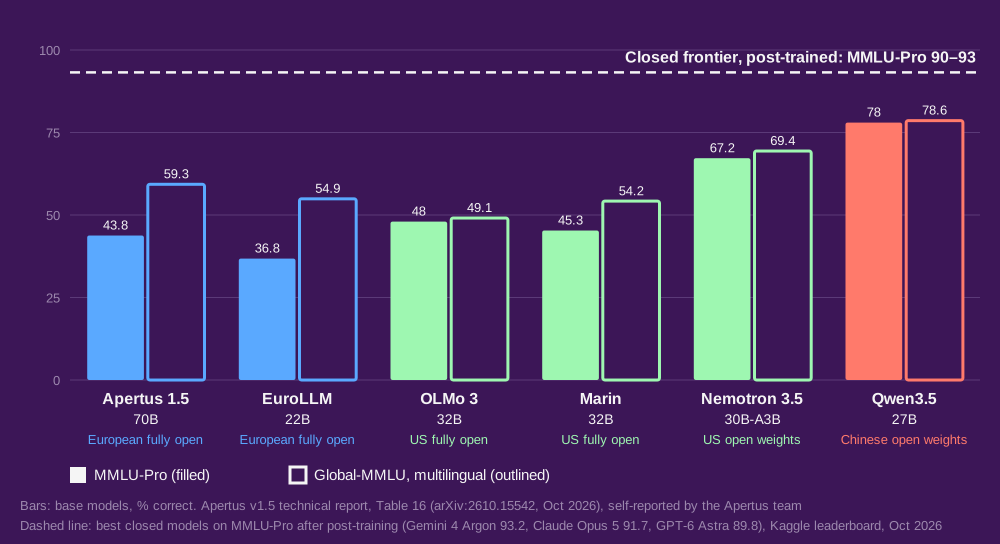
Bar chart of MMLU-Pro and Global-MMLU for base models: Apertus 1.5 70B 43.8 and 59.3; EuroLLM 22B 36.8 and 54.9; OLMo 3 32B 48.0 and 49.1; Marin 32B 45.3 and 54.2; Nemotron 3.5 67.2 and 69.4; Qwen3.5 27B 78.0 and 78.6; a dashed line above them all marks the closed frontier models, post-trained, at 90 to 93 on MMLU-Pro

Fake barns

Cartoon: countryside full of barns that are painted facades propped up by stacks of printed code, with one real barn, and a researcher inspecting with a magnifying glass Image credit: Generated with ChatGPT image generation, OpenAI (November 2026).

Running code isn’t knowledge
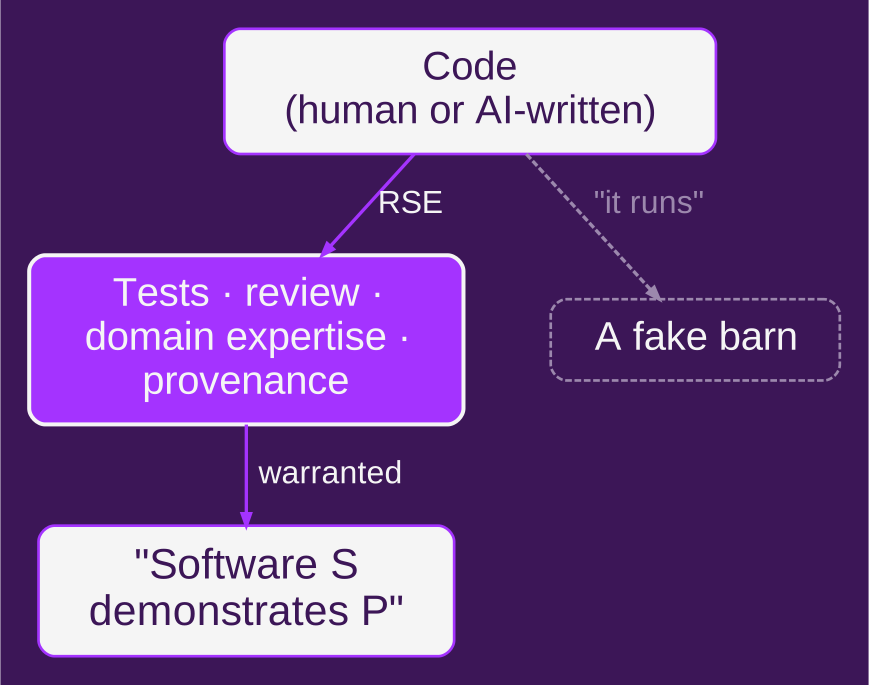
Code, whether human or AI-written, becomes a warranted claim, Software S demonstrates P, only through tests, review, domain expertise and provenance; code that merely runs leads to a fake barn

Shingleton, Hetherington & Basiri, Assertion Errors: Why AI-Generated Research Code Still Needs Epistemic Infrastructure, preprint under review at CACM

Cognitive debt

The degree to which the community responsible for a technical artefact are unable to understand or explain it, due to accumulated uncomprehended machine construction

Two futures

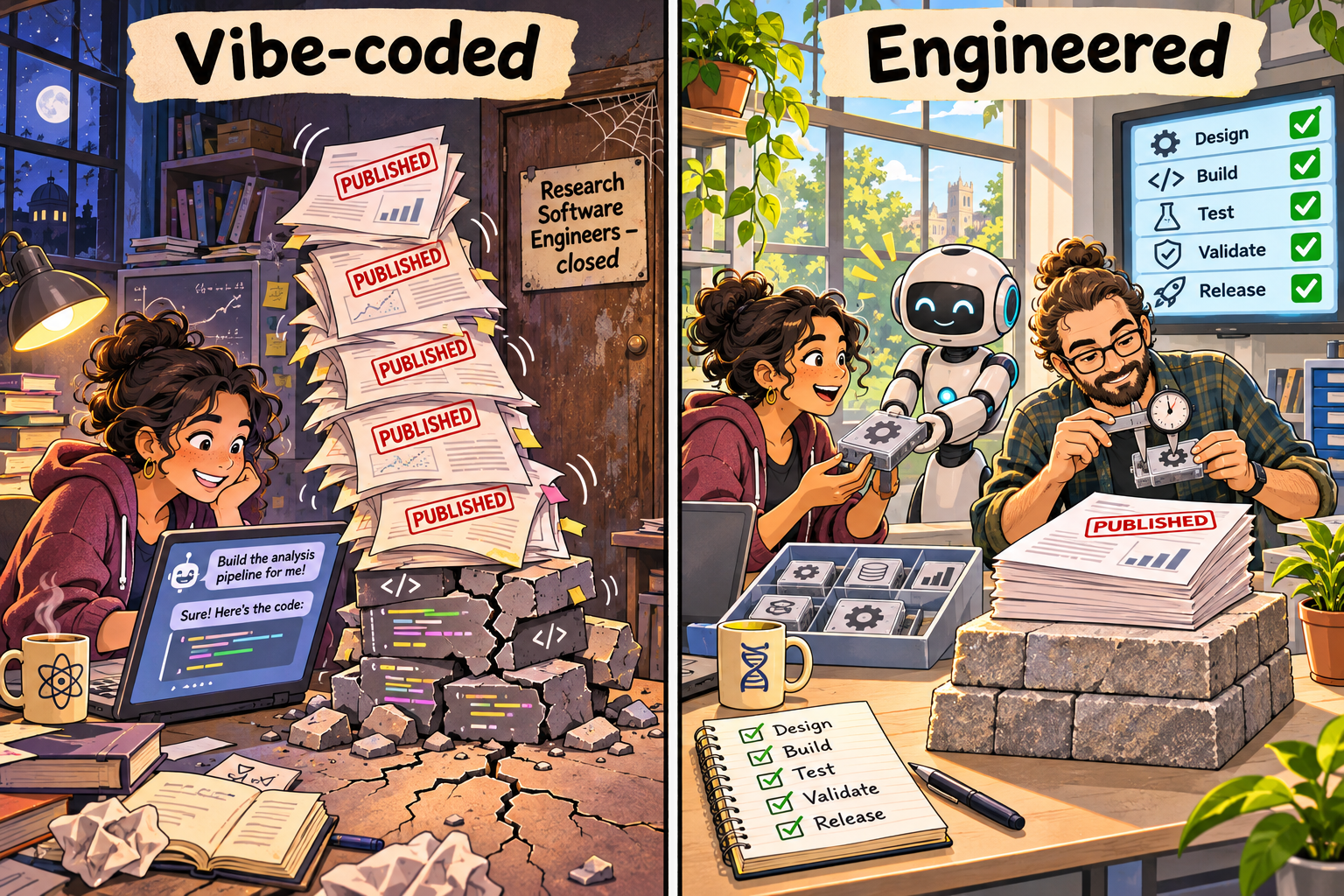
Split cartoon: on the left a postdoc's tower of published papers stands on crumbling code while the RSE office is closed; on the right the postdoc and an RSE check an AI robot's work against green tests Image credit: Generated with ChatGPT image generation, OpenAI (November 2026).

Research AI Engineers
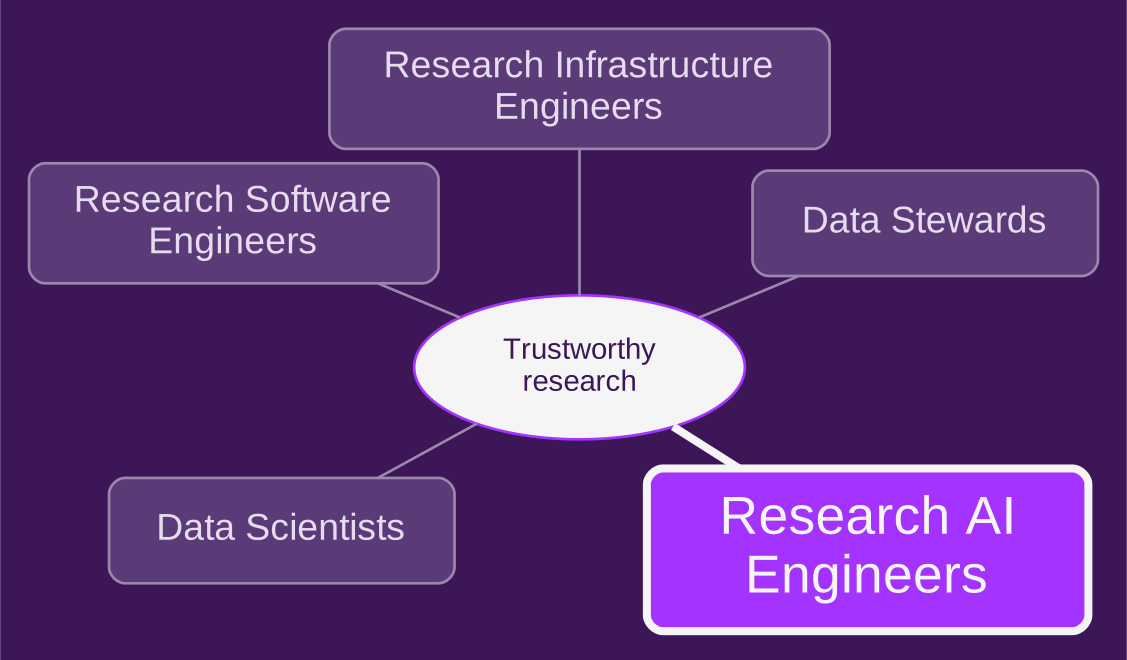
The research technology professions around trustworthy research: research software engineers, research infrastructure engineers, data stewards, data scientists, and, highlighted, research AI engineers

Faculty AI Changemaker Teams

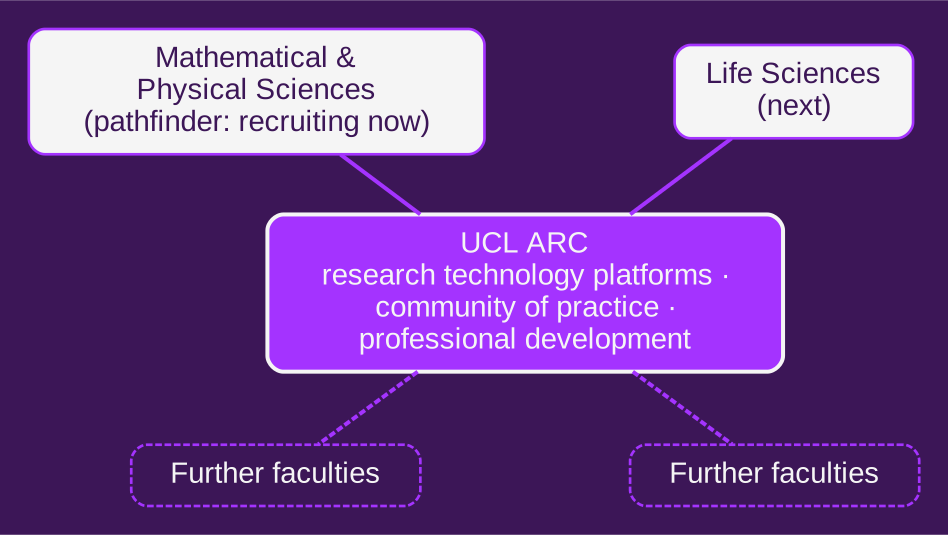
Hub and spoke: UCL ARC at the centre, providing research technology platforms, a community of practice and professional development; Mathematical and Physical Sciences as the pathfinder, recruiting now; Life Sciences next; further faculties to follow

A call for action

  • Re-tool your digital research technology platforms for AI, now
  • Use frontier models and invest in open, European ones
  • Invest in local compute to host FAIR models
  • Recognise and hire Research AI Engineers

References

  • UCL ARC (2026). AI-Assisted Software Development Policy for UCL Advanced Research Computing. doi:10.5522/04/34070631
  • Storey (2026). How Generative and Agentic AI Shift Concern from Technical Debt to Cognitive Debt. margaretstorey.com, 9 February 2026
  • Kosmyna et al. (2025). Your Brain on ChatGPT: Accumulation of Cognitive Debt when Using an AI Assistant for Essay Writing Task. MIT Media Lab, arXiv:2506.08872
  • Shingleton, Hetherington & Basiri (2026). Assertion Errors: Why AI-Generated Research Code Still Needs Epistemic Infrastructure. Preprint, under review at CACM. SSRN 7185258
  • Goldman (1976). Discrimination and perceptual knowledge. J. Philosophy 73, 771. doi:10.2307/2025679
  • Apertus v1.5 technical report (2026). arXiv:2610.15542
  • Wiley (2025). AI Adoption Jumps to 84% Among Researchers as Expectations Undergo Significant ‘Reality Check’ (ExplanAItions study, 2,430 researchers, August 2025). newsroom.wiley.com, 7 October 2025
  • Kaggle (2026). MMLU-Pro leaderboard, captured 23 October 2026
  • Epoch AI (2026). Open and closed model gap